The offside rule explained simply
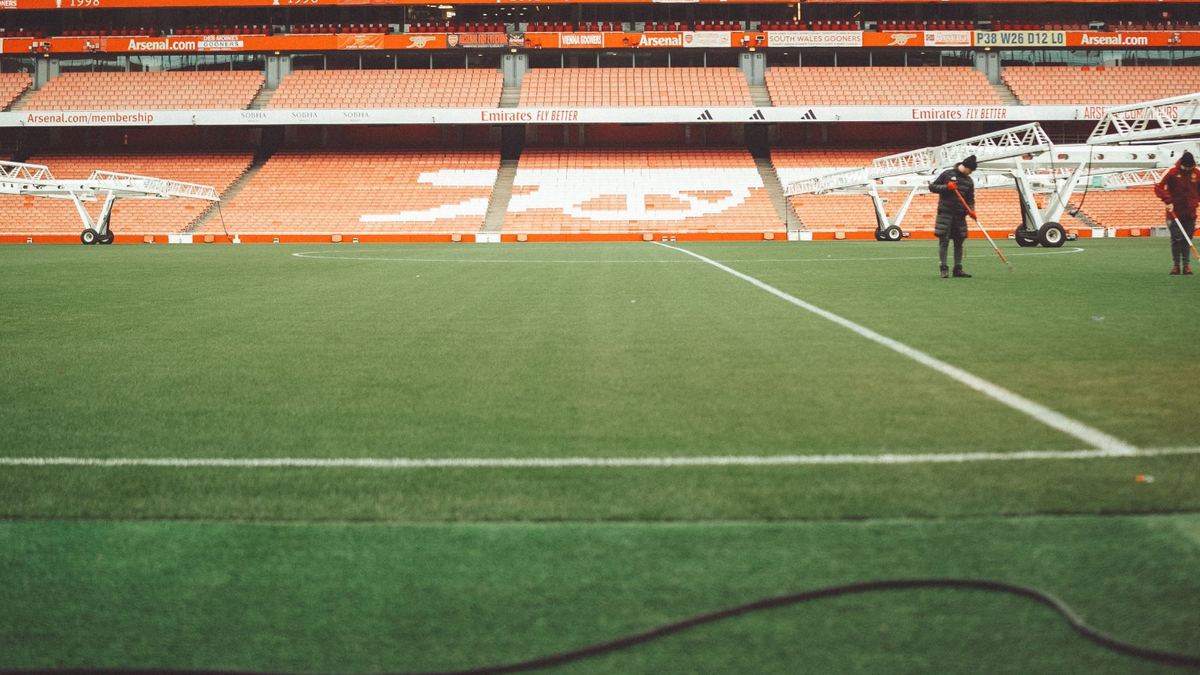
Few topics spark as many arguments between friends as offside. The rule seems difficult, but with a few examples it becomes easy to understand.
When is a player in an offside position?
A player is in an offside position if, at the moment a team-mate passes the ball:
- they are in the opponents' half; and
- they are nearer to the goal line than both the ball and the second-last opponent (usually the last defender, since the goalkeeper is normally the last one).
Only the parts of the body that can legally score a goal count for this rule. Arms and hands do not.
Advertisement
Is being in an offside position an offence?
No. Being in an offside position is not an offence in itself. The player is only penalised if they become involved in active play, that is, if they:
- play or touch the ball;
- prevent an opponent from playing the ball (for example by blocking the goalkeeper's line of sight);
- gain an advantage from that position (for example by receiving the ball after it rebounds off a post).
When there is NO offside
There is no offside if the player receives the ball directly from:
- a goal kick;
- a throw-in;
- a corner kick.
There is also no offside if the player is in their own half or level with the second-last opponent.
What is the punishment?
The opposing team is awarded an indirect free kick where the offence took place.
Tip: what matters is the moment of the pass, not the moment the ball is received. A forward may look "off" when they collect the ball, but if they were onside when it was played, the move is legal.